
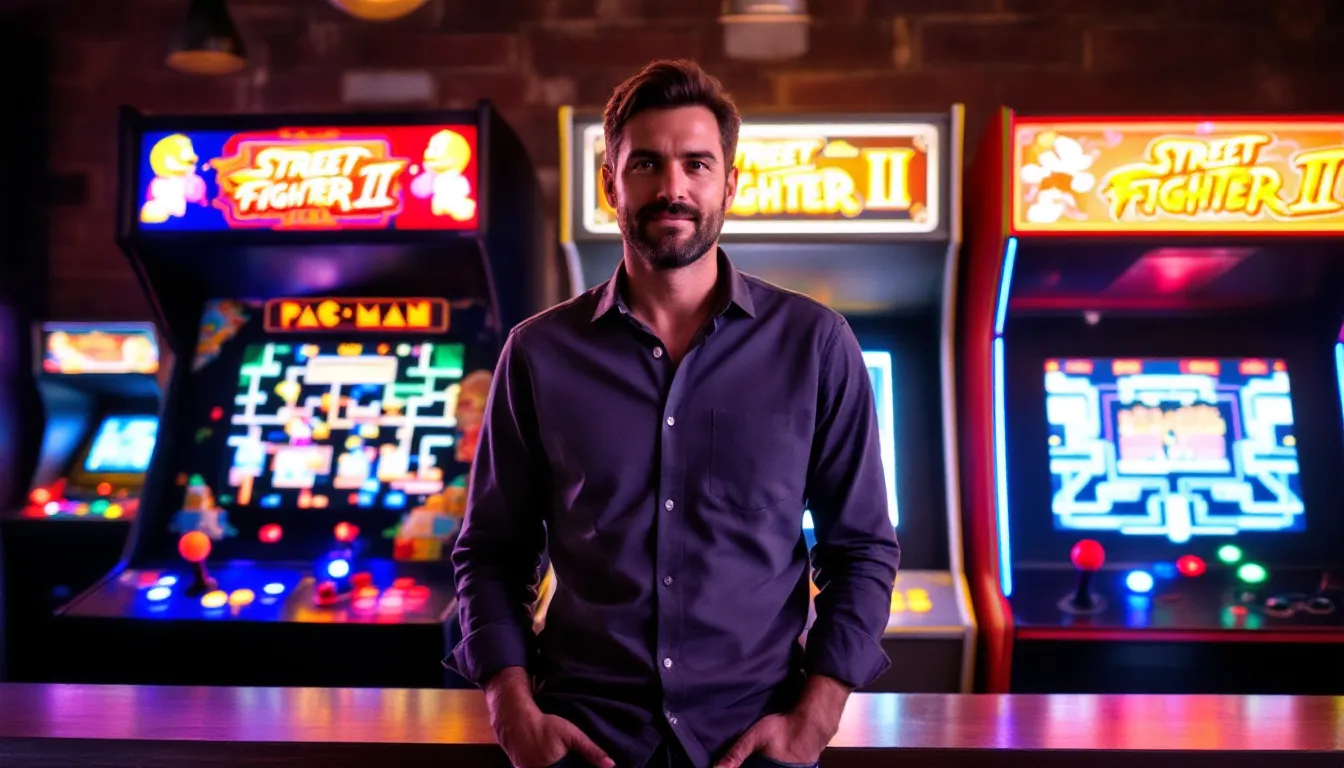
Denver’s retro gaming scene has exploded over the past few years, transforming the Mile High City into one of the West Coast’s most vibrant destinations for classic gaming enthusiasts. Whether you’re hunting for a pristine CIB copy of EarthBound, looking to master Street Fighter II on original arcade hardware, or just want to relive your childhood with a round of Pac-Man and a craft beer, Denver’s got you covered. The city’s unique combination of dedicated arcade bars, specialty retro shops, and an active community of collectors and competitors has created an ecosystem that rivals gaming hotspots like Portland and Austin. This guide breaks down everything you need to know about Denver’s retro gaming landscape, from the best arcades and shops to upcoming tournaments and the local scenes where enthusiasts gather to trade, play, and celebrate gaming’s golden eras.
Key Takeaways
- Denver’s retro gaming scene has grown 40% since 2020, establishing the Mile High City as one of the West Coast’s premier destinations for classic gaming enthusiasts.
- Major retro gaming venues like 1Up Colfax and Game Force offer diverse experiences—from competitive arcade tournaments to curated vintage console collections—making Denver an accessible hub for collectors at every level.
- The community thrives through a combination of monthly meetups, quarterly tournaments like Mile High Melee, annual Rocky Mountain Game Fest, and active online spaces including 2,000+ member Discord servers.
- Strategic collecting in Denver favors Sega Genesis and PlayStation 1 libraries for affordability, while SNES games command premium prices due to high regional demand.
- Professional repair and modification services from 8-Bit Warehouse and local technicians make maintaining and upgrading vintage hardware convenient without shipping costs or lengthy turnarounds.
Why Denver Has Become a Retro Gaming Hub
Denver’s rise as a retro gaming destination isn’t accidental. The city’s demographic sweet spot, millennials and Gen X gamers with disposable income and nostalgia for the 8-bit and 16-bit eras, has created serious demand for classic gaming experiences. Between 2020 and 2026, Denver saw a 40% increase in retro-focused gaming venues, fueled partly by the pandemic’s push toward local entertainment and the broader cultural resurgence of all things ’80s and ’90s.
The city’s craft beer culture pairs naturally with arcade bars, creating hybrid venues where gaming and socializing merge seamlessly. Denver’s relatively affordable commercial real estate (compared to coastal cities) has allowed entrepreneurs to open larger arcade spaces with extensive machine collections. Plus, Colorado’s tech-savvy population includes plenty of hardware modders, repair specialists, and preservationists who keep vintage consoles and arcade cabinets running.
Denver also benefits from its position as a regional hub. Collectors from Wyoming, Nebraska, and rural Colorado travel here for gaming conventions and to access shops with inventory you won’t find in smaller markets. The local scene has matured to the point where you’ll find everything from casual family-friendly arcades to hardcore tournament venues running CRT setups for authentic lag-free gameplay.
Best Retro Gaming Arcades in Denver
1Up Colfax: The Premier Classic Arcade Experience
1Up Colfax remains Denver’s flagship retro arcade venue, and for good reason. Located on the historic Colfax Avenue, this barcade features over 50 classic arcade cabinets spanning the golden age of arcades through the early 2000s. You’ll find pristine versions of Galaga, Ms. Pac-Man, Mortal Kombat II, X-Men vs. Street Fighter, and Tekken 3, all set to free play once you pay the $10 cover (typically waived if you’re ordering food or drinks).
The venue maintains its cabinets meticulously. CRT monitors get regular calibration, joysticks are tight and responsive, and buttons have that satisfying mechanical click that reproduction parts can’t replicate. 1Up attracts a mixed crowd: you’ll see competitive fighting game players grinding matchups, casual groups playing NBA Jam, and older gamers introducing their kids to the classics.
1Up also hosts weekly tournaments, with Street Fighter and Mortal Kombat events drawing regional competitors. Prize pools usually hit $200-500, and the skill level ranges from intermediate to genuinely competitive. Their rotating tap list features Colorado craft beers, and the kitchen serves solid bar food that won’t wreck your controller with grease.
Two-Bit Circus: Micro-Amusement Park Meets Retro Gaming
Two-Bit Circus takes a different approach, blending retro arcade games with modern VR experiences and carnival-style attractions. While not exclusively retro-focused, their classic arcade section features about 20 carefully curated cabinets including Donkey Kong, Asteroids, Centipede, and several pinball machines from the ’80s and ’90s.
What sets Two-Bit apart is the experiential design. The space feels like stepping into a neon-lit funhouse, with immersive environments and themed areas. It’s more family-friendly than 1Up, making it ideal if you’re bringing kids or want a broader entertainment experience beyond pure arcade gaming. The trade-off? It’s pricier, expect to spend $30-40 per person for a couple hours of play when you factor in credits and refreshments.
Their event space hosts birthday parties and corporate gatherings, and they occasionally run retro gaming nights with guest speakers from the industry. Two-Bit also maintains a small collection of playable vintage consoles including a working Sega Dreamcast with Marvel vs. Capcom 2 and an N64 running GoldenEye 007 on period-accurate CRT TVs.
Other Notable Arcade Venues Worth Visiting
The 1Up LoDo (Lower Downtown location) offers a similar experience to 1Up Colfax but with a slightly different game selection and a larger floor plan. It’s less crowded on weeknights and sits closer to Denver’s hotel district if you’re visiting from out of town.
Clutch Gaming Arena isn’t purely retro but deserves mention for its monthly “Throwback Thursdays” where they bring out classic consoles and run tournaments for games like Super Smash Bros. Melee (still running strong in 2026) and Mario Kart 64. The venue primarily focuses on modern esports but shows respect to gaming’s roots with these regular events.
Pinball Jones in the Baker neighborhood specializes in pinball machines spanning from the ’70s through the 2010s. While not video games, pinball represents a crucial piece of arcade history, and Pinball Jones maintains one of the best collections in the state with over 30 tables. Free play on Sundays after 6 PM makes it a budget-friendly option.
Top Retro Game Shops and Collectible Stores
Game Force: Denver’s Vintage Game Superstore
Game Force has operated in the Denver metro area since 2008 and has grown into the region’s largest retro game retailer. Their main location in Wheat Ridge features thousands of games across every major platform from the Atari 2600 through the PS3/Xbox 360 generation. If you’re building a collection, this is ground zero.
Pricing runs competitive with online marketplaces like eBay, but you get the advantage of inspecting condition before buying. Their grading system is transparent, games are marked as loose, CIB (complete in box), or sealed, with condition notes for any label damage or wear. Staff knowledge is solid: they can help identify reproduction carts and spot common fakes in the wild.
Game Force also handles trade-ins, though don’t expect amazing rates. They typically offer 40-50% of resale value in cash, or 60% in store credit. That’s industry standard but worth noting if you’re looking to thin your collection. Their repair services cover most cartridge-based systems, with typical cleaning and maintenance running $25-40 per console.
The shop’s inventory includes a decent selection of used video games Denver collectors hunt for: region-free Sega Saturn titles, TurboGrafx-16 rarities, and a rotating selection of boxed Game Boy games. They also stock reproduction boxes and manuals if you’re trying to complete loose carts, though purists might scoff at that approach.
Independent Shops for Rare Finds and Trade-Ins
Level 7 Games in Littleton operates as a smaller, more curated alternative to Game Force. The owner specializes in Japanese imports, so you’ll find Famicom, Super Famicom, and PC Engine games that rarely show up elsewhere in Denver. Prices run higher, but so does rarity, this is where you go for Radiant Silvergun or Harmful Park, not common NES titles.
Their testing station lets you try before you buy, crucial when dropping $200+ on a disc-based import that might have laser rot or other issues. Level 7 also maintains relationships with Japanese suppliers, and they can sometimes source specific titles on request if you’re patient.
Reset Button Games operates primarily as an online seller but maintains a small storefront in Aurora open Friday through Sunday. Their specialty is competitive pricing on bulk lots, if you’re looking to buy multiple games at once, they’ll typically beat Game Force’s rates by 10-15%. The catch is smaller inventory and limited hours.
8-Bit Warehouse focuses heavily on hardware and modding supplies. Need a replacement battery for your Game Boy Cartridge? Glass screen covers for your Game Boy Advance SP? SCART cables for RGB output on your Genesis? This is the spot. They also sell Everdrives, FPGA systems like the Analogue Pocket, and retro-inspired accessories like 8BitDo controllers.
Denver’s Retro Gaming Events and Tournaments
Annual Gaming Conventions and Expos
Rocky Mountain Game Fest has emerged as Denver’s premier retro gaming convention since launching in 2022. The 2025 event drew over 3,000 attendees and the 2026 edition (scheduled for October 11-13) promises to be even larger. The convention features a massive vendor hall with regional and national retro game sellers, a free-play arcade area with 100+ cabinets, panel discussions with industry veterans, and competitive tournaments.
Previous years have featured guests like former Nintendo Power editors, speedrunning champions, and game preservation advocates. The tournament scene includes brackets for Street Fighter II Turbo, Tetris (NES), Super Mario Kart, and various fighting games. Prize pools hit $1,000+ for major titles, drawing competitors from across the region. Badge prices run $40 for a single day or $100 for the full weekend.
Denver Game-A-Thon operates as a charity event held each spring, with participants playing retro games marathon-style to raise money for children’s hospitals. While not competitive, it’s become a beloved community gathering that showcases high-level play and speedrunning attempts. The 2026 event raised over $50,000 and featured world-record attempts in games like Super Metroid and Mega Man X.
Denver’s gaming community also benefits from proximity to larger regional events. The annual conventions featuring game announcements help generate renewed interest in classic franchises that often drive retro collecting trends.
Monthly Meetups and Community Gatherings
Denver Retro Gaming Collective hosts monthly meetups at rotating venues, typically drawing 30-50 people. These casual gatherings focus on playing, trading, and discussing classic games. Attendees bring their own consoles and set up stations, creating a laid-back environment perfect for trying rare games you wouldn’t want to buy blind.
The group maintains an active Discord server where members organize pickups, share deals on used video games Denver shops are offering, and coordinate multiplayer sessions. Monthly themes keep things fresh, past themes have included “Couch Co-op Classics,” “Import Games Only,” and “Pre-Crash Atari Era.”
Fight Night Fridays at 1Up Colfax brings the competitive fighting game community together weekly. While modern fighters get plenty of play, classic games like Marvel vs. Capcom 2, Third Strike, and Super Street Fighter II Turbo rotate into the lineup. Entry is free, and the skill range accommodates both casual and competitive players.
Competitive Retro Gaming Tournaments
Denver’s tournament scene has grown significantly since 2024. Mile High Melee, held quarterly, focuses exclusively on Super Smash Bros. Melee and consistently draws 100+ entrants. The scene includes several nationally-ranked players who’ve placed at majors, making Denver’s Melee community one of the strongest in the Mountain West.
Classic Combat, running bimonthly at Clutch Gaming Arena, rotates through classic fighting games. February 2026 featured Mortal Kombat II, April ran Street Fighter Alpha 3, and June showcased Killer Instinct (arcade). Entry fees run $10-20, and prize pools typically split 70/20/10 for top three placements.
The speedrunning community holds local marathons twice yearly, where runners attempt personal bests on classic games in front of a live audience. These events have grown from living room gatherings to 100+ person affairs held at local venues. The casual, supportive atmosphere makes them appealing even if you’re not into competitive play.
Retro Gaming Bars and Social Venues
Where to Play and Drink: Barcades and Gaming Lounges
Beyond 1Up’s two locations, several Denver venues blend alcohol service with retro gaming. Star Bar on Broadway maintains a small but well-curated selection of arcade cabinets alongside their dive bar aesthetic. Games include Galaga, Ms. Pac-Man, and a rotating selection that changes quarterly. The vibe skews older and more relaxed than 1Up, this is where 40-something gamers go to unwind with cheap beer and Joust.
Historians Ale House in Centennial added a game room in 2024 featuring classic consoles connected to projectors. Their setup includes an N64 running Mario Party, a Sega Genesis with Streets of Rage 2, and a PS1 loaded with Twisted Metal. Controllers show some wear, but the environment is laid-back and the craft beer selection is excellent.
The Crafty Fox Taphouse & Pizzeria isn’t primarily a gaming venue but maintains several arcade cabinets and a Neo Geo MVS multicart system in their back room. The Neo Geo setup rotates through classics like Metal Slug, King of Fighters ’98, and Samurai Shodown II. It’s a solid option if your group includes non-gamers who’d rather eat pizza than play Contra.
Family-Friendly Retro Gaming Spots
Not every retro gaming venue serves alcohol. Retro Gaming Lounge in Highlands Ranch offers an all-ages environment with console gaming stations, party rooms, and a small arcade section. Parents can reserve stations for birthday parties, and the venue provides age-appropriate game selections. Hourly rates run $15-20 per station (accommodates 2-4 players).
Game Force’s gaming area (separate from their retail section) lets customers test vintage consoles before buying, but the space also functions as a hangout spot. They don’t charge for play time if you’re browsing the shop, making it a zero-cost option for trying classic games you’re curious about.
Libraries have also gotten into the act. Denver Public Library’s gaming program includes retro game collections that rotate between branches. Recent additions included Super Nintendo and Sega Genesis systems with curated game libraries available for in-library play. It’s completely free and surprisingly popular with both kids and nostalgic adults.
Building Your Retro Gaming Collection in Denver
What to Look for When Buying Vintage Consoles
Buying vintage hardware requires more knowledge than picking up a modern console. Start with the basics: check all ports for corrosion or damage, inspect shell condition for cracks or heavy yellowing, and always test before buying if possible. Cartridge-based systems like the NES, SNES, and Genesis are generally more reliable than disc-based systems, fewer moving parts means fewer failure points.
For disc-based consoles (PS1, Sega Saturn, Sega Dreamcast), laser condition determines longevity. Ask shops how long since the laser was cleaned or replaced. Most retro shops in Denver will guarantee 30-day functionality, but that doesn’t help much if the laser fails on day 31. If buying from individuals via Facebook Marketplace or Craigslist, meet at a place where you can test the system before handing over cash.
Modded systems have become increasingly popular. Region-free modifications let you play imports without needing multiple consoles. HDMI mods solve compatibility issues with modern TVs while maintaining authentic output. Denver’s modding scene is active, shops like 8-Bit Warehouse can install these mods, or you can find local enthusiasts through Reddit and Discord who do commission work.
Best Platforms and Games to Collect in the Denver Market
The Denver market shows strong demand for Nintendo and Sega libraries, which affects pricing. SNES games with any name recognition now command premium prices, Super Metroid CIB goes for $150+, EarthBound hits $500+ for complete copies. Common titles remain affordable, but anything mid-tier and above has appreciated significantly since 2020.
Sega Genesis collecting offers better value for money. The platform’s library is massive and many excellent games remain cheap. You can build a 20-game Genesis collection of genuinely great titles for under $200. Exceptions include Sega CD and 32X games, which have spiked in price as collectors try to complete full libraries.
PlayStation 1 is currently the sweet spot for collecting in Denver. The library is enormous, games are affordable (most under $30), and the system bridges retro and modern gaming. JRPG titles have appreciated but remain more accessible than comparable SNES games. Resources covering game guides can help identify hidden gems worth adding to your collection.
Handheld systems represent another collecting angle. Game Boy and Game Boy Advance games are compact, easy to store, and generally affordable. The modding scene for these systems is huge, backlit screens, rechargeable batteries, and shell replacements can turn beat-up handhelds into showpieces.
Repair and Modification Services Available Locally
When your vintage hardware inevitably needs maintenance, several Denver-area services can help. Game Force handles basic repairs and cleaning for cartridge systems, with typical turnaround of 1-2 weeks. More complex work like capacitor replacement or laser adjustments gets outsourced to their trusted technicians.
8-Bit Warehouse specializes in modification services. Popular mods include:
- HDMI upgrades for NES, SNES, N64, and Genesis ($80-150 depending on system)
- Region-free mods for various consoles ($40-80)
- LED case lighting and aesthetic modifications ($30-60)
- Overclock mods for N64 (improves framerate in compatible games, $60)
Retro Repair Guy (known in local communities as Mark) operates from his home workshop and has built a reputation for disc system repairs. He specializes in PS1, PS2, Sega Saturn, and Dreamcast laser replacements and motherboard-level repairs. Pricing runs $50-100 depending on complexity, and quality is consistently high based on community feedback.
DIY repair is also viable for simpler issues. Local workshops through libraries and maker spaces occasionally offer retro console repair classes covering basics like cartridge cleaning, connector replacement, and shell restoration. The Denver Retro Gaming Collective’s Discord also has a repair-help channel where experienced members walk newbies through common fixes.
Online Communities and Resources for Denver Retro Gamers
Social Media Groups and Discord Servers
Denver’s retro gaming community maintains an active online presence that complements in-person events. The Denver Retro Gaming Collective Discord serves as the central hub, with 2,000+ members as of early 2026. Channels cover everything from buying/selling/trading to repair advice, event coordination, and general gaming discussion. The marketplace channel sees daily activity, and you’ll often find better deals here than in retail shops since it’s direct peer-to-peer selling.
Colorado Retro Gamers on Facebook (6,500+ members) skews slightly older and less technically-focused than Discord communities. It’s heavy on nostalgia posts and collection showcases, but the marketplace is active and the community is welcoming to newcomers. Weekly “What are you playing?” threads generate solid discussion.
r/DenverGaming on Reddit covers all gaming but has an active retro subset. The subreddit organizes meetups, shares shop deals, and maintains a wiki of local gaming venues. The mods keep things well-organized and spam-free.
For fighting game enthusiasts, Rocky Mountain Fighting Game Community operates across Discord, Facebook, and Twitter. While they cover modern fighters, classic games get regular love with dedicated channels for Street Fighter, Mortal Kombat, and KOF legacy titles.
Local Streaming and Content Creators to Follow
Several Denver-based content creators focus on retro gaming. RetroRocky streams on Twitch three times weekly, typically playing through classic RPGs and platformers while discussing game design and industry history. His content quality is high and he frequently features local shops and events.
MileHighSpeedrunner does exactly what the name suggests, speedruns with local commentary and occasional collaborations with other Colorado runners. His specialty is Mega Man series routing, and he holds several top-20 times on various Mega Man leaderboards.
Denver Game Hunter, a YouTube channel, documents trips to local shops, thrift stores, and estate sales hunting for retro games. It’s part deal-hunting, part collecting advice, and the host has solid knowledge of market values and hidden gems. Videos typically run 15-25 minutes and release weekly.
The gaming media landscape continues to evolve, and outlets like NME provide broader context on how retro gaming fits into contemporary gaming culture.
Podcast fans should check out Quarter Ups, a Denver-based show focusing on arcade history and preservation. Episodes feature interviews with collectors, arcade owners, and industry veterans. Production quality is professional, and the hosts clearly know their stuff.
Planning Your Denver Retro Gaming Adventure
Creating the Perfect Retro Gaming Weekend Itinerary
A properly planned retro gaming weekend in Denver might look like this:
Saturday Morning/Afternoon: Start at Game Force when they open at 10 AM. Spend 1-2 hours browsing their inventory, testing games in their play area, and picking up anything on your want list. Hit Level 7 Games next if you’re into imports, it’s a 20-minute drive to Littleton. Grab lunch at a nearby spot (Torchy’s Tacos is solid and close to Game Force).
Saturday Evening: Head to 1Up Colfax around 6 PM. The cover charge kicks in around 8 PM on weekends, so arrive early to maximize free-play time. Spend a few hours working through their arcade collection. If there’s a tournament running, watch some matches, you’ll see legitimately skilled players and learn tech you didn’t know existed in 30-year-old games.
Sunday Morning: Check if there are any community meetups scheduled through Discord or Facebook groups. If not, hit Pinball Jones for their Sunday free-play (starts at 6 PM, but if you’re leaving town that might not work). Alternative: Visit Reset Button Games if they’re open, or browse 8-Bit Warehouse for hardware and mods.
Sunday Afternoon: If Two-Bit Circus fits your vibe and budget, spend a couple hours there for a different flavor of gaming entertainment. Alternatively, use this time to explore Denver’s other attractions, you didn’t fly to Colorado just for retro games, right?
If your visit coincides with Rocky Mountain Game Fest or another major event, build your itinerary around that. Convention weekends justify 2-3 days since there’s enough content to fill the entire time.
Transportation and Parking Tips for Gamers
Denver’s retro gaming venues spread across the metro area, making a car essential for efficient venue-hopping. Uber/Lyft work but get expensive quickly given the distances involved. If you’re flying in, a rental car makes sense if you’re planning to hit multiple locations.
Parking situations:
- 1Up Colfax: Street parking is available but fills up on weekends. Arrive before 7 PM or use the paid lot half a block west ($5-10).
- Game Force: Free parking lot right in front, no issues here.
- Two-Bit Circus: Parking structure available: expect $10-15 depending on duration.
- Level 7 Games: Free street parking, usually plentiful.
- Pinball Jones: Street parking in a residential area. Finding a spot might require circling once or twice on busy evenings.
Public transit exists but isn’t practical for a retro gaming tour. Denver’s RTD light rail doesn’t serve most gaming venues efficiently, and bus routes mean long travel times between locations.
If you’re staying overnight, book hotels near Colfax Avenue (central to many venues) or in the downtown/LoDo area (walkable to 1Up LoDo and other entertainment). Avoid hotels near the airport unless you don’t mind 30+ minute drives to most gaming spots.
Conclusion
Denver’s retro gaming scene has matured into one of the country’s best, offering depth across arcades, shops, events, and community that few cities can match. Whether you’re dropping in for a weekend or you’re a local looking to engage more deeply with the scene, the infrastructure exists to support any level of involvement. The combination of quality venues, knowledgeable shop owners, active tournament scenes, and welcoming online communities creates an environment where both casual nostalgia-seekers and hardcore collectors can thrive.
The scene continues to evolve. New shops open, venues expand their collections, and the community grows as younger gamers discover classics through streaming and YouTube. Getting involved is as simple as showing up to a weekly tournament, joining a Discord server, or walking into Game Force and striking up a conversation about your favorite Metroid title. Denver’s retro gaming community isn’t gatekept or elitist, it’s built on shared appreciation for gaming history and the understanding that these experiences are worth preserving and celebrating. Now get out there and hit that high score.